The Navy’s new littoral combat ship, USS Little Rock, was commissioned on December 16 and planned to head for open ocean the next day, with stops along the way.
Its departure was delayed, and it has been stuck in Montreal since arriving there.
The Little Rock is the fifth Freedom-class littoral combat ship to enter service and the most recent ship to enter service for the Navy.
The US Navy’s latest littoral combat ship, USS Little Rock, was commissioned in Buffalo, New York, on December 16 and scheduled to depart the following day for its home port at Mayport Naval Station in Jacksonville, Florida.
Unfortunately for the Navy’s newest commissioned warship, the weather has not been cooperative.
The ship’s commanding officer, Cmdr. Todd Peters, decided to delay the departure from Buffalo for three days because weather conditions on Lake Erie. It left on December 20, traveling through the Welland Canal to reach Lake Ontario and then through the St. Lawrence Seaway for a regularly scheduled stop in Montreal.
Photos posed on the ship’s Facebook page on December 27 showed it had made it to Montreal. The ship was scheduled to leave the next day for Halifax, Nova Scotia and then reach open ocean by December 30.
However, because of ice and a lack of tug boats to guide it out, the Little Rock remains in Montreal, Navy Lt. Cmdr. Courtney Hillson, public affairs officer for the US Naval Surface Force Atlantic, told Business Insider on Thursday.
While in Montreal, the ship’s crew has done routine repair work, including on a cable associated with the ship’s steerable waterjet, which is part of the propulsion system. That system has caused problems for other littoral combat ships.
Those repairs were completed on January 4, Hillson said, and in the days since the crew has been doing routine work to “ensure readiness” for any future taskings.
US Navy littoral combat ship USS Little Rock heading toward Montreal, December 27, 2017.USS Little Rock/Facebook
The Little Rock is the most recent ship to enter service for the US Navy, commissioned two days after the USS Portland, a San Antonio-class amphibious transport dock. The Little Rock is the fifth Freedom-class littoral combat ship to join the fleet. There are also five Independence-class littoral combat ships in service.
The vessel is 389 feet long and has a draft of 13.5 feet, according to a Navy fact sheet. It has a top speed of over 45 knots and displaces about 3,400 tons with a full load.
It has a modular design that allows it to carry out anti-surface, anti-mine, and anti-submarine operations, and the ship’s approximately 70 sailors are trained to perform a number of tasks. It is outfitted with a helicopter pad, a ramp for small boats, and can carry and deploy small assault forces.
The littoral combat ship USS Little Rock is launched into the Menominee River in Marinette, Wisconsin, after a christening ceremony, July 18, 2015.US Navy
Its flight deck is the largest of any US Navy surface combatant, and its armaments include an MK 31 Rolling Airframe Missile System, an MK 110 57 mm gun, crew-served and small-caliber guns, and other weapons systems that can be tailored to specific missions.
The ship is scheduled for more training and combat-systems testing in 2018, Peters, the ship’s commanding officer, told The Buffalo News.
The ship’s crew completed a previous round of assessments scheduled for 121 days in only 63 days. Once the next round of testing and training is finished, the ship will start conducting missions, according to The Buffalo News.
While the Little Rock’s current problems are caused by nature, it has been waylaid by manmade issues in the past.
In September 2016, the Navy halted all littoral combat ship operations after the fourth accident in the span of a year. The halt also prompted the Navy to have leaders at the Navy’s Surface Warfare Officer’s School review the littoral combat ship training program and recommend changes if they saw fit.
Congressional leaders have criticized the littoral-combat-ship program. Arizona Republican Sen. John McCain has blasted the growing cost of the ships as a “classic example” of defense acquisition gone awry. McCain and others also expressed frustration when the White House intervened in May to include an extra littoral combat ship in the Navy’s 2018 budget request.
In spite of PhDs and supercomputers, I have observed in The Old Farmer’s Almanac having as good or better record for tracking weather. The natural world – with and without man’s intervention – is often unpredictable. After the firestorms particularly in southern California last month, residents knew it would only be a matter of time before the winter rains came and turned the barren hillsides into avalanches of mud. Today mud, rain and debris adds insult to ashen injury. Newscasters will converge on the latest personal tragedy, but other people will also mobilize to render aid, help clean up and show their compassion and humanity.
last week in Boston. Courtesy of Weather Channel.
Across the country, last week in New England and other parts of the Northeast, a blizzard some were likening to an icy hurricane made life difficult; the Southwest was balmy and dry. Perhaps on one winter Sunday morning, a frozen water heater supply pipe in an attic burst; for someone else, it may have been navigating sixty miles along unplowed Virginia highway (without snow tires) when an overnight snow caught everyone by surprise. Or equally resilient, a Pennsylvania widow in her 70s, shovels ten-foot drifts of Lake (Erie)-effect snow every winter to get to her car. In the Southeast and Appalachia, weather inflicts misery most years. “If the crick don’t rise” (and flood the house) is not a quaint form of speech. In Norfolk, Virginia, with the threat of an approaching hurricane, ships put to sea; residents ashore advise newcomers how to avoid the oddly deep ditches on either side of local roads. For the unwary, hurricanes and late summer downpours may turn cars into submarines.
In California and along the West Coast, a severe earthquake – once or twice in a person’s lifetime – randomly strikes. Few flee the state because of activity along the San Andreas fault. People adapt equally to the weather. When it rains in winter, fire season the following year may be bad. Sunshine and predictable temperatures offset even those who lose their property to wildfire. They rebuild. In 2017, wine country was devastated by wildfire, then southern California from Ventura northwest to Santa Barbara and to the south, part of Riverside county and northern San Diego county went ablaze as well.
Thomas fire, Montecito, Calfornia (Reuters)
Wildfires is the natural disaster that most Californians fear. It affects most Californians as most of the population live in the regions that prior residents and stewards have done their best and worst to preserve from fire. It may take decades for the land to recover. But Nature heals itself in time. So I do not spend a lot of time worrying about the weather or climate science or climate change. I take care of my property and help others where I am able.
Anyone who has served in the military knows that at some point, their installation, military unit, or occupational speciality, will reorganize, merge, or close (“disestablish” in military-speak). In my experience aboard the USS TEXAS (CGN-39), when the ship entered the Puget Sound Naval Shipyard at Bremerton, Washington in 1992 for an overhaul but was decommissioned part-way through, one of my duties was to remove an accumulation of years of my division’s electronic maintenance materials, records, files, and publications. Twenty-five years ago, electronic storage required several cabinets and boxes in an auxiliary storeroom; paper binders, manuals and the local records pertaining to two prior decades of repair, acquisition and transfer of equipment had to be reviewed, removed and sent for destruction.
While not due to any closure, the reorganization of my garage this past week has drawn on some of those analytical skills in reviewing or disposing of things collecting cobwebs and dust in the garage. The last time I did this was at least a year ago. Since then, most things have been moved from on top of the rafters in the garage, to one side and then the other side of the interior. (I haven’t been able to park a car in the garage for at least seven months.) However, I did find (again) my Navy Senior Chief uniforms in a trunk, as well as a box with random uniform insignia in the former Navy working uniform style (blue-gray “camouflage” pattern). I sorted through boxes of old framed pictures, loose papers, photographs about 50 years old, cards and letters I sent my mother thirty or forty years ago from my duty stations at the time.
This was all as a result of putting Christmas decorations away for another year. Since I was boxing them up and looking to consolidate what my wife had already consolidated, I started to put other random boxes together. And now. perhaps, I will finally be able to move everything to the opposite side of the garage, so I can pull down all the uninsulated pegboard and half-tacked drywall on the other side, and install new. At least, before Spring cleaning.
Intermediate Maintenance Availability (IMA) periods stink. I have to continue using the garage (or at very least keep the laundry facilities operating) and preserve my access to my tools and “stuff” throughout this period. At least, I do not have to stand watch around the clock. But I do have to keep an eye out for refuse removal. The crew keeps putting the galley waste in the garage, when the pier trash bins are a short walk to the driveway. We do not tolerate any stink in my workspaces.
Watching the movie “Castaway”, I think anyone got a little emotional when “Wilson”, the soccer ball with the hand-stained face, was adrift in the open ocean. It might have been the character’s (loose) connection with sanity. Now, I’ve never really had that one thing that I held onto for dear life; I’ve never been stranded either. Yet, I have been known to leave ballcaps, bluejeans, and engraved Zippo lighters behind when leaving port. Most of the time, it was a voluntary trade for something unusual such as a Soviet Navy belt buckle. Or a Turkish lighter, an Ecuadorian fishnet hammock and even an Egyptian thobe (male one piece garment).
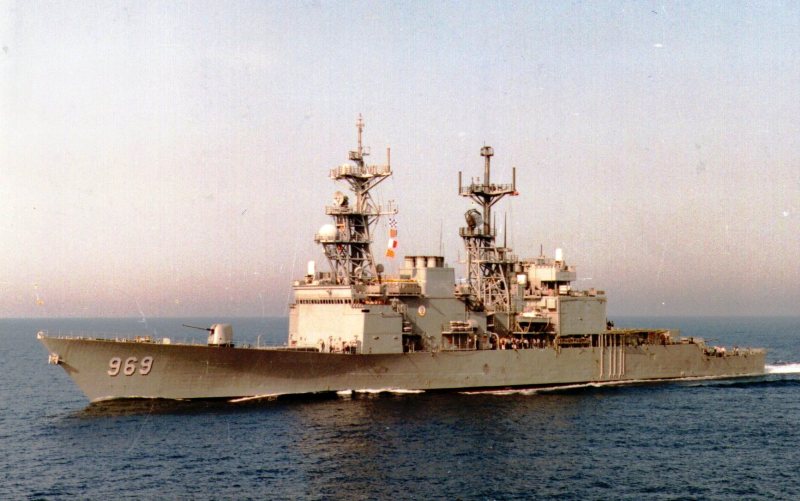
The USS PETERSON visited the Black Sea on the way back from a Red Sea deployment. We were unaccustomed to being welcomed as tourists; however, the Ukrainians were just as welcoming to American ships visiting Sevastopol. And we had cameras openly, not the kind you see in spy movies set in Eastern Europe, but like tourists from Scotland to Burundi: Japanese models. Like everything else marketed in the early 1990s.
Taking my new camera, I went out to look for amber . I tried to order a Black Russian (vodka and coffee liqueur) in a hotel bar that looked out upon the Black Sea; I had an equally impossible time finding an ice-cold Pepsi. And there were other distractions. Several of us ventured into a nightclub that was a bit of a circus. It featured a woman doing an acrobatic dance floor show that might have been a strip show. Who spoke or read Bulgarian to know from the marquee? Later, I was looking at some Russian znachki, these enameled badges or pins, that were collected in Russia like sports memorabilia or Hard Rock Cafe pins, back in the early 1990s. And walked away only to realize that I didn’t have my camera over my shoulder.
At the waterfront, I found a Port official to report my loss. He spoke no English and I spoke no Bulgarian. But nearly a dozen years after my last college class in Russian, we could haltingly converse about my missing camera in a common language. A few months later, the reply to my inquiry sent to the Canon marketing office in Sophia, Bulgaria was not promising. How many regular people could possibly own a Canon SLR camera in a nation that only had capitalism (glasnost?) for five or so years?
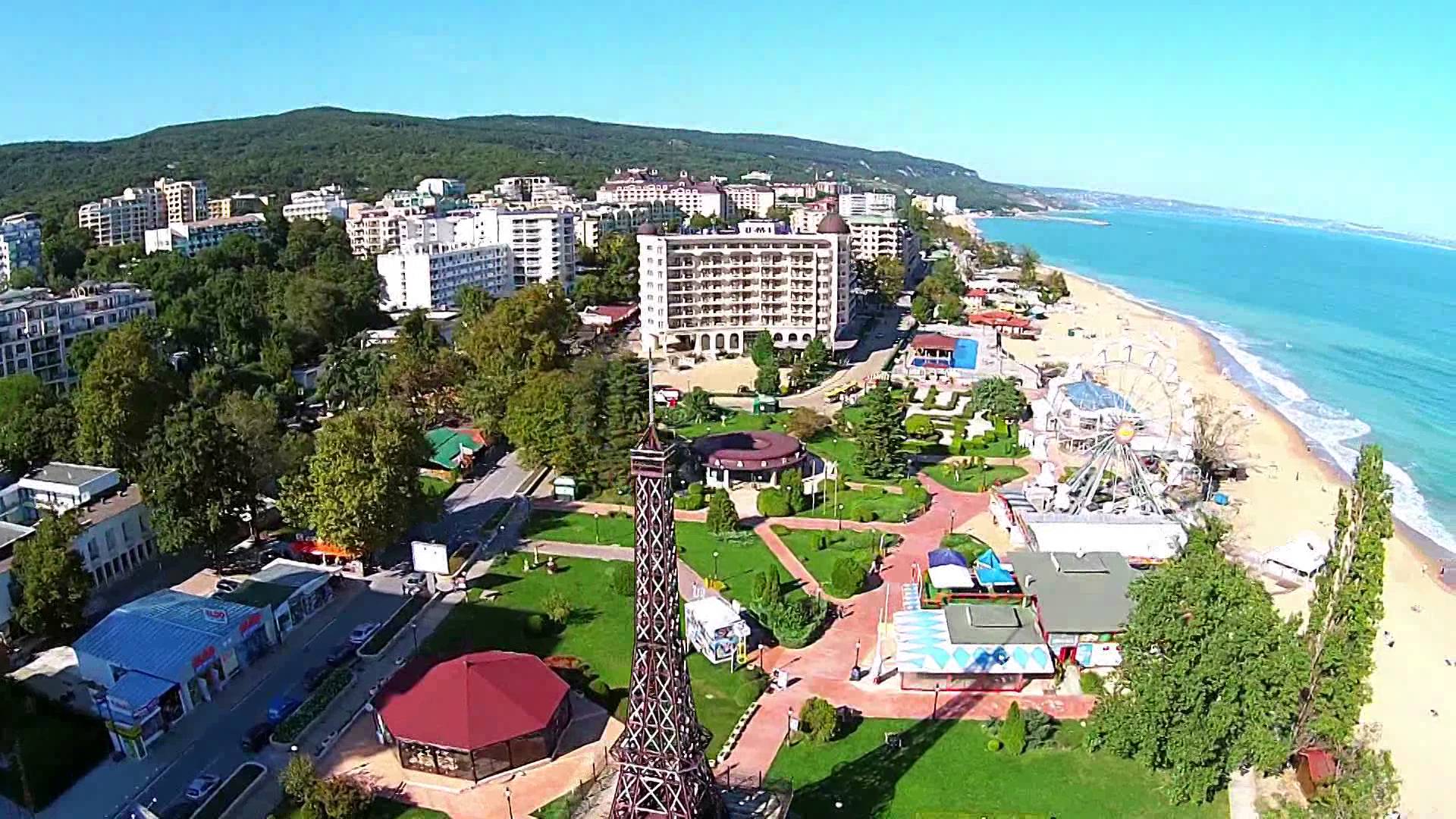
Bulgaria became a hot destination for inexpensive vacations by young western Europeans staying in hotels and hostels. Beachgoers enjoying the Black Sea. Perhaps some young entrepreneur used my camera to start a business. (Babes of the Black Sea?) Marketing ads for amber jewelry. Fashion images for the newest Yuppies. And perhaps my old camera is living there still. Twenty-three years ago I left my heart in Varna, Bulgaria. Well, not really. But I did leave my camera there.
I’m trying my hand at fiction today. I’ve not written fiction before, except for a couple of assignments for a college class a million years ago. I hope you will enjoy it.
When Earnest was a small child, age five or maybe six, he was caught with his pants down. Literally. With two little girls from across the street, they were playing a “you show me yours, I’ll show you mine” between the rose bushes and the side of the house. Mrs Dahl, at that moment, suddenly appeared. All Earnest remembers was her garden bonnet, and rose fertilizer spilling in all directions. “WHAT ARE YOU KIDS DOING!,” she screeched.
His parents were appropriately mortified. This completely shocked their careful world. They were emotionally very reserved and showed very little affection either to each other, or to Earnest. They apparently had been raised in the same manner, in a very spartan home, and the only expectation was to be seen and not heard. Correction? Do what was expected of you, or spend time in the closet. Earnest doesn’t remember much fondly of those early years, but he was always embarrassed and timid around girls at school after that. The boys in Grade 5 would call him “four-eyes” and “weiner-dick”. He never responded. The girls would whisper to themselves, and one would run up behind Earnest and give him a peck on the cheek. Just to watch him turn purple-red with embarrassment. They giggled. In high school, the bullying continued until one afternoon, a week before the summer break in his Junior year. Apparently, two bullies ganged up on him behind the gym. He broke one fellows jaw in two places and dislocated his shoulder. The other bully suffered three broken ribs and was in a coma for two days. When the principal found Earnest he was sharing an apple with a girl from his English class. He was calm. He spent the next couple years, until age nineteen, in a “state school” ( a juvenile detention center). He was able to apply to college which at the time had a tuition-waiver for formerly incarcerated. It was one of the state’s least used opportunities (most applicants re-offended within their first months of freedom).
It was different for Earnest. Twenty years old and being stalked by a strong-willed, sexually-demanding, raven-haired Sophomore in college. All because Earnest had too much to drink one Friday night at a fraternity party, and woke up in bed with her – Colleen. When Earnest met Sandi at a French club social- it was extra credit for the students – not that he wanted to meet other girls. But it was Sandi who gave Earnest the excuse to “break it off” from Colleen. You see, Earnest was gifted physically. It was one of those whispers that had followed him ever since that day next door to Mrs Dahl and her damn roses.
For the next fifteen years Earnest wandered from small jobs in Phoenix, working in a small restaurant, to the Seattle area – working for the ferry company as a janitor. Across the country and down the East Coast. He planned to settle in the panhandle of Florida. renting kayaks and small sailboats to sailors and tourists. He didn’t like to drink anymore because he often woke up in uncomfortable surroundings. In each of the “stops” in his travels, Earnest became somewhat of a celebrity to college sorority sisters, lonely older women and bored waitresses.
It was during his last year in Florida that he had a dream for several nights. Not one of those schizophrenic voices, but the tugging at his heart and conscience was God, he thought, prodding him. He tried ignoring the feeling. Yet it was hurricane Ivan, smashing his old Toyota to bits, along with much of Pensacola in 2004, that got him moving west again.
It was in San Diego, some years later that he found healing for his soul. He was working on the Boardwalk at Mission Beach, when a couple of Navy sailors and their wives talked to him about coming to a church service. He said thanks but no. He’d been hassled before by white shirted, bicycle-riding Mormons, a Pentecostal that wanted him to come to meet women, a Buddhist who looked every bit the part of Buddha right down to size 50 waist. Some guy in New Mexico that wanted him to drink green tea and eat some mushrooms. A Mexican indian shaman that cast demons from him. Church people. He read their pamphlets. A guy in the park that said the world was going to end. Apparently the 3 times this was predicted during his lifetime were all warnings. “Just kidding!” their god said. And yet he found a well-thumbed Bible on a park bench that he packed with him everywhere.
One Friday evening enjoying coffee in a little cafe that looked a cross between a Goodwill store and a grandmother’s attic, he was engaged in conversation by a bored woman and her date. Sure, he agreed. He’ll come to their church. That must have been God prodding him still. He was sober. He apparently did not hit on the girl. And her date was walking out, all body parts intact and undamaged.
Five years to that particular day, Earnest has been married for three years. To that gal from the meeting in the coffee shop. Rosie. He puts his old life in perspective. His new life is definitely a miracle. The suffering, the drinking, and the embarrassment are done. Buried with Christ in that ocean baptismal. He looks through eyes that see clearly now. And his “gifts” are a blessing. So his wife tells him every night.
Reading Linda’s (mainepaperpusher‘s Everyone Else Has the Best Titles) recent blog post of everything she has collected over the years, I have not -so-fond memories of the random hobbies and collections I had up until I joined the Navy at 18. Fortuitously, I had Navy training at an age before I had my own home and a place to fill with random things. As any Sailor can attest, there was a time that a green canvas seabag contained everything that we would need for the foreseeable future. it had straps affixed to it so we carried it when we moved. And it weighed a ton. We were not provided wheeled luggage nor a handcart. One bag is what we were allotted.
Amazing things, seabags. Going back forty years – I imagine today there are focus groups and management training ( a result of a decade of liberal tinkering with a military) that have minimized how much a Sailor actually has to carry. I recall as young recruits you were alternately told to get “your shit in one sock”. or that “your mama” or “your girlfriend” was “not issued to you in your seabag” so you had better “suck it up!” Getting excrement in one sock always makes me laugh. But then I have encountered more than I can count on two hands, people who couldn’t get their “shit” together. Period. But for those curious souls, here’s a recent official listing of a Navy seabag’s contents:
Male: ( item, quantity)
All-Weather Coat, Blue 1
Bag, Duffel 1
Belt, Web, Black, W/Silver Clip 2
Belt, Web, White, W/Silver Clip 3
Buckle, Silver 2
Cap, Ball 2
Cap, Knit 1
Coveralls (Navy), Blue 2
Gloves, Leather, Black 1 pr.
Group Rate Mark, Black 3
Group Rate Mark, White 4
Hat, White 3
Jacket, Blue Working 1
Jumper, Blue Dress 1
Jumper, White Dress 2
Neckerchief 1
Necktie, Black 1
Peacoat 1
Shirt, Winter Blue 2
Shirt, Navy Working Uniform 4
Shirt, White Short Sleeve 2
Shoes, Dress Black 1 pr.
Shoes, Safety Chukka 1 pr.
Sock, Cotton/Nylon, Black 6 pr.
Sweater, Pullover Jersey 1
Towel, Bath 4
Trouser, Broadfall, Blue 1 pr.
Trousers, Poly/Wool, Dress Blue 2 pr.
Trousers, Navy Working Uniform 4 pr.
Trousers, White 2 pr.
Trousers, White Jumper (CNT) 2 pr.
Undershirts, White 8
Undershirts, Blue 8
Undershorts, White 8
Yellow PT Shirt 2
Blue PT Shorts 2
Gym Shoes 1 pr.
That seabag held everything the Navy required you to have. And “properly stowed”, it all would fit aboard ship in your “coffin locker”, the small storage that made up part of your rack. Of course, as we got more seasoned, traveled to different ports, gained some rank and privileges, we tended to stuff various equipment cabinets, voids, lockers of Sailors on leave, and our workspaces — especially if darkened – with our crap: counterfeit perfumes from the Middle East, persian rugs, leather goods, soapstone chess sets, inlaid mother of pearl wood, carvings and so on. Sometimes we replaced – that is, shipped home, a lot of the stuff that we weren’t wearing, so we could stow the other stuff. And every so often, one of the senior officers would pull a “uniform inspection” particularly if more than a few Sailors didn’t have the “prescribed Uniform of the Day” but did have several hammocks, knockoff women’s purses, a few brass knuckles, or a hookah stuffed in his coffin locker.
I learned that if I couldn’t carry it, I didn’t need it. And everytime I transferred from one ship to another, if it didn’t fit in my car, I probably didn’t need it. Boxes and boxes of books were donated to the local library (loading dock) when I left that town.
A decade later, I still have several complete uniforms, with ribbons and name tags hanging in the back of my closet. I’m still too fat to wear them on the prescribed annual holidays. My soldier son can have my foreign trinkets. But he will have a sufficient number of socks stuffed already. And I imagine that my younger sons won’t have a lot of stuff to go through when I’m gone.
Maybe they’ll find my old seabag. And try to figure out how, since it is clearly impossible, why the old Chief always said you were never issued “a wife in your seabag”.
The most expensive hobby a rich man could have is a boat, and the second most expensive hobby he could have is a very old house.
– Barbara Corcoran
Hobbies for the rich and powerful, are several orders of magnitude above what I or my co-workers can afford to enjoy. I take a week-long cruise with six thousand fellow passengers to the Caribbean. A billionaire rents an island and charters guests to it. A friend leases a quaint home in an Italian town using AirBnB; an executive I know rents a villa in Florence for a month and brings his entire family. My neighbor owns a new boat – I assume it is the property of the son, a Navy Sailor. Nobody will confuse him for a wealthy man. While not a hobby, the expansion of electric vehicle ownership also reveals a little disparity. Teslas and a couple BMW electric vehicles share the charging aisles with a couple Fiats and one Ford.
I am always stunned by the embrace socialism has among American and European elitists, academics and revolutionaries. From my study of history, the socialists disdained hobbies that symbolized exclusivity, gentility or were impractical for the general welfare, and were very careful about outside influence on their constituency. Of course, those were the very things the elites afforded themselves.
New York Times, 10/15/16
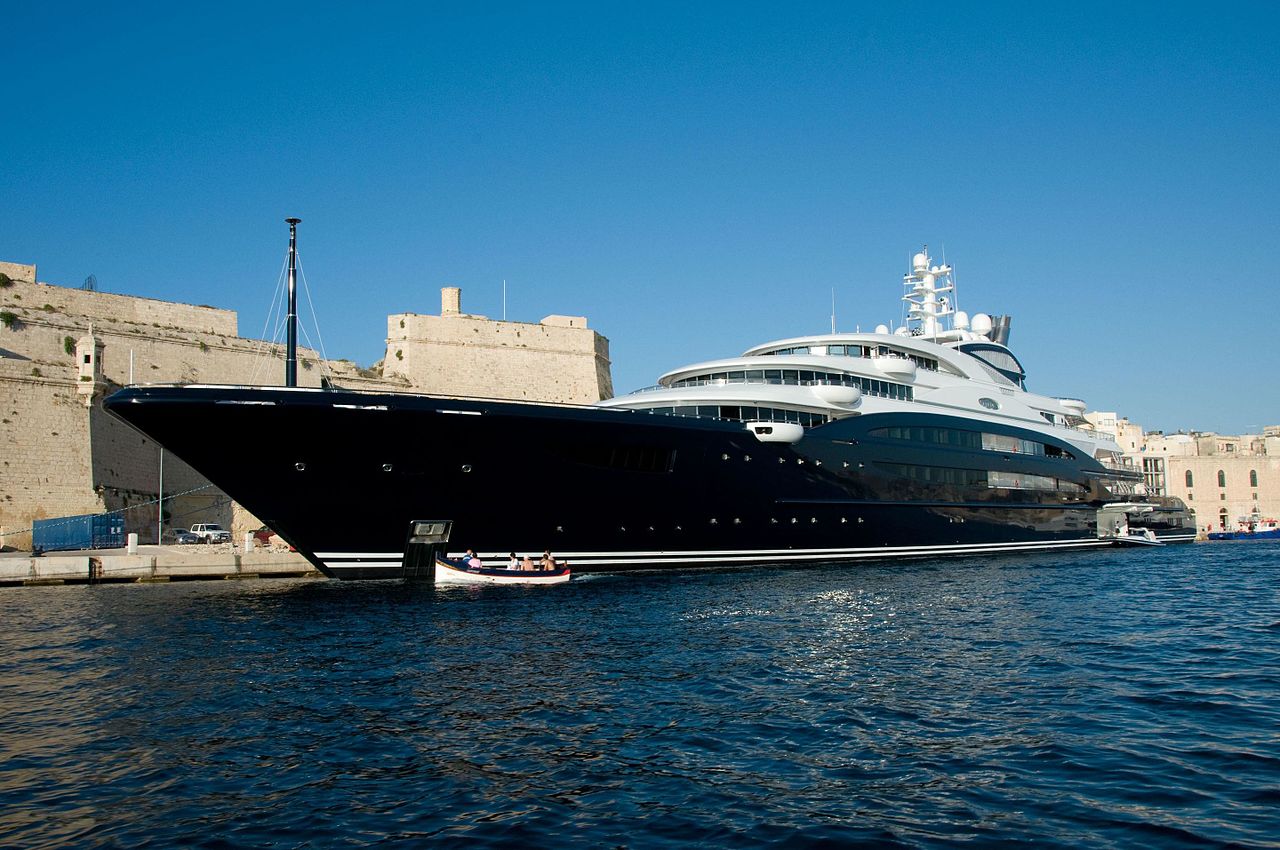
The same media that sympathetically portrayed changes coming to one of the most wealthy, but politically and socially, medieval countries, has been understandably confused. I heard a story today that a thirty -something Saudi prince, Mohammed bin Salman, a powerful deputy in the royal family was seeming disingenuous about starting an austerity reform campaign in his country. Apparently, the New York Times only recently learned that this refreshing new leader was the buyer, a couple years ago, of the most expensive estate in France, the Chateau Louis XIV, a Leonardo Da Vinci painting and a half-BILLION-Euro yacht. An austerity measure of almost a billion and a half dollars.
By Ngw2009 at English Wikipedia -**
You have to marvel at his hobbies though. And their upkeep. I found an article that says he ran his new yacht aground in the Red Sea a month or two ago. The prince may need to get a skipper for his boating hobby.
To bring Saudi Arabia into the 21st Century, the Prince may need his expensive hobbies. A Millennial with a vision for his people. And from his estate in France, if he gets too un-sheikh like, he can let the people eat cake. In the interim, if his news media gets a little too nasty, he probably has an executioner with scimitar on speed-dial.
Google Maps gave me driving directions around the worst of my evening commute tonight that inspired this blog post. While I have made prior references to driving through San Diego at rush hour, it is pointless to meander along that sordid topic – it is only going to get worse and not better. However, I can use the time to make some observations about some of my fellow Southern Californians.
Driving through an obviously middle class neighborhood in suburban San Diego this late afternoon, two weeks prior to the Christmas holiday, I was intrigued that no more than perhaps one in forty homes displayed Christmas decorations or lights of any kind. This was not a section of the city that appeared bound by any homeowners association prohibition, nor a singularly Muslim area or commune of Ascetic monks, It was a single-family style, $600, 000-average price neighborhood (for California, a little more than the median price for 2017.)
I am not denigrating anyone for NOT displaying Christmas decorations, and I in no way attribute Santa Claus, decorated trees, inflatable Minion or Harley-riding Santa Claus to the Birth of Jesus. But I find it very “unusual”. For a nation that spends a lot on holiday cheer regardless of their spiritual aspirations, (a retail survey calculated that Americans spent $3.2 Billion on decorations, lights, trees and so forth in 2015) I found it unusual. In neighborhoods that become a festive attraction for the surrounding communities, band saws in garages start going in September, and decorations start being put up on the Black Friday shopping day. I thought I would look up the relationship between decorations and personality. One article was particularly interesting in perceptions. An experiment was conducted on observers perceptions using pictures of groups of more socially-engaged neighbors, not socially-engaged (keep-to-themselves sort), each with decorated and not-decorated homes. People who were generally unable to distinguish between social traits for decorated homes, could generally determine the level of social interaction of people with non-decorated homes. People can tell what you are like by the stuff in your environment.
Next post, I may discuss why some late-middle-age men like to tootle around town in a fire-engine red, convertible Porsche Carrera, and why some young people driving Civics, or BMW 3-series, or a 3-cylinder Prius, feel the need to be the most ignorant drivers on the road.
Many people, myself included, refused for a couple decades to acknowledge that people could really affect the weather. My religious beliefs hold that God is in control of all things, yet God did put Adam as steward of the planet. Whatever your belief, in my lifetime, I have witnessed barely breathable polluted air over Southern California, rainy years, drought years, colder and milder winters, hotter and milder summers. Hurricanes. Tornados. Floods. Climate change is the topic that every schoolboy in the industrialized countries of the world has had stamped into their consciences in recent decades. Everyone from politicians in California to European “Green” parties demand humanity stop using resources that are “proven” to destabilize our climate and pollute the planet. For the last twenty years, politicians debate and people divide into camps. But does anyone really know a solution?
“something must be done”
There have, as yet, been no realistic nor popular solutions proposed nor any process enacted. One nation refuses to hinder their industrialization by employing technologies they cannot yet afford to mitigate pollution. Other nations have no solid infrastructure to enact regulation. In the First World, taxation is the first response to climate change, but hinders any real discussion or experiments at solutions that are not “lobbyist”-championed projects. (Several of these have all-but-embezzled millions of tax dollars.) For those of us who work many miles from our homes, lack of public transportation to get there is at odds with the government actions to dissuade personal vehicle use. (Population in most cities outside California is many factors more dense so personal vehicles are less efficient than mass transit.)
climate impacts humans
Geologically, human existence has been a blip on the clock. It is still unclear whether volcanism, sun spot activity, and tectonic forces are responsible for the oscillations in weather over millions of years. Weather changes created Ice Ages and in-between glacial periods caused sea level change. Drought, lasting decades and even centuries, put pressure on feeding ancient populations and caused ancient civilizations to decline.
Two in the Americas, Hohokam and Anasazi civilizations were very advanced, yet may have faded – centuries before European visitors – due to extended periods of drought.
A volcanic eruption of Santorini in the Mediterranean was a primary factor the successful Minoan civilization faded around 1500 BCE. From the Bible and other texts, years of record crops followed by drought and famine in the Middle East occurred. Yet history teaches us that human beings in sufficient numbers can alter the environment as well. The millennia that Middle Eastern, Egyptian, Roman and Greek people cut the “cedars of Lebanon” for ship timbers and structures has all but eliminated them. .
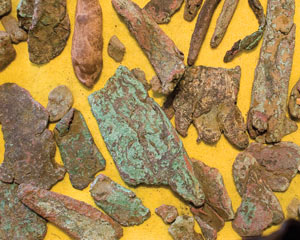
In northern Michigan 7000 years ago ancient ancient people mined copper; tailings and debris left behind tell the stories before 19th Century mining began there. But the growth of the world population and the demand for resources have caused more debilitating changes in many aspects on the planet. In more recent times, denser populations along the coasts – the heavy industrialization using coal, oil and natural gas for energy first in the Americas and Europe, then Asia and Africa have had unrestrained and inefficient (heavily polluting) consequences. After several decades, each region in turn developed a conscience about limiting “acid rain” and early deaths from lung diseases and cancers. Before government management in the Americas, clear-cutting forests and mining were damaging what we later preserved through government intervention. This is still rampant in Brazil and the Amazon Basin.
Amazon deforestation
Strip mining that ruins the land and the chemicals used to extract metal poison groundwater in many developing economies. Of course, the topic that give California Jerry Brown the largest headache, is burning hydrocarbon fuels for energy,- releasing billions of tons of chemicals that were deposited over millions of years within the last century or two.
it’s elemental
Fire
Less than two months ago, the Sonoma region of California became an inferno.
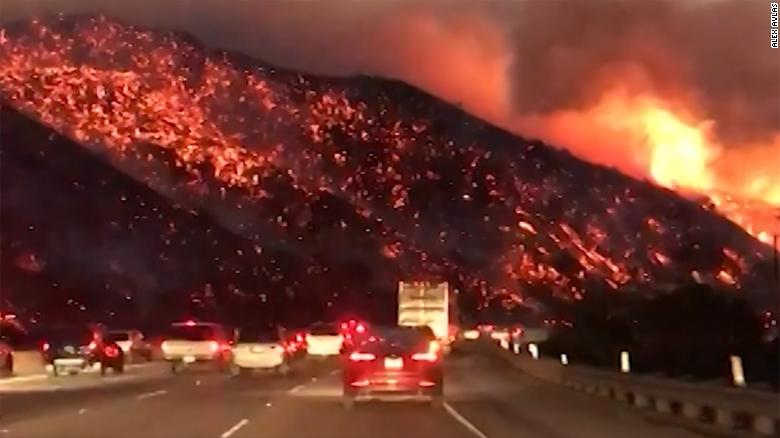
Ventura, Los Angeles county, December 2017
This week, another tragic environmental calamity is occurring not only a couple of hours north of me in northern Los Angeles but forty miles north of my home, the Lilac fire, in the hills at the edge of San Diego County. Wind-propelled wildfires have consumed the lives, property, and dreams of hundreds of residents, displaced thousands more. and killed dozens of stabled horses in the last days. Ten years ago, my third of the county was being turned to charcoal by wildfire. Coordinated effort of thousands of firefighters, military and civilians have managed to keep human casualties few while battling the environment.
Perhaps the Government and the governed can put down their acrimony long enough to work through “defensible space” in residential areas. Tangible efforts such as clearing wider swaths of highways near open country might prevent vehicle-caused brush fires. Remove diseased and non-native species of trees and plants, many of which are very flammable, by dedicated planned cutting and clearing. Allow natural clearing through regular controlled burning.
Earth
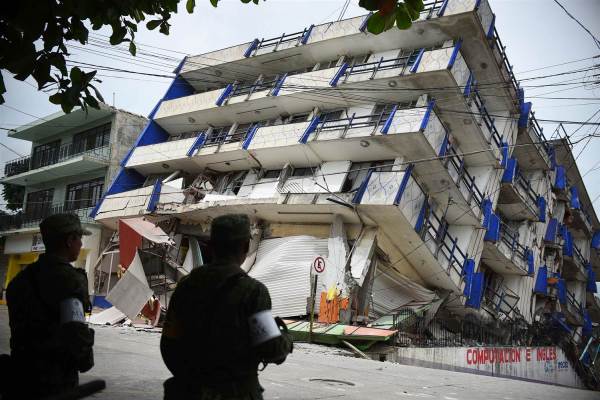
Mexico 2017
Living at the tectonic boundaries of continents, Asia-Pacific and western North, Central and Latin American residents, earthquakes, and the infrequent volcanic eruption destroy property, kill people living in un-reinforced structures, and wreak havoc. The residents of central Asia suffer a major quake every dozen years of so. A decade or more ago, a major earthquake severely damaged eastern Japan, and one previously induced tsunamis from Thailand to India. Volcanic eruptions occur over a geologic timescale, so it is often ignored by people from Indonesia, to Naples, Italy, to some Caribbean island residents who live on their slopes.
For those who live at tectonic boundaries, nations can provide technical expertise with construction, but it will be up to the affected nations to employ these methods and materials. While many nations do not have infrastructure, others have corrupt or ineffective leadership in their economies.
Water
aftermath of Maria, Puerto Rico
Hurricanes or cyclones or typhoons, and tornadoes are either more damaging now – or are more reported in the twenty-four hour news cycle. El Nino or La Nina cyclic ocean heating or cooling contribute to heavy growth of fuel for fires in wet years in the western US, then in dry years contribute to tinder-dry fire conditions; hot winds blowing toward the Caribbean from western Africa mix to become tropical depressions and then storms that churn into the Caribbean, the Gulf of Mexico or Eastern seaboard. For this hemisphere, it is a roulette wheel every June through September where storms will make landfall. Hurricanes in 2017 have ruined large swaths of the Caribbean, and flooded southeastern Texas. For other hemispheres, cyclones or typhoons have often killed many and displaced thousands in the Philippines, and coastal Indian Ocean countries.
Nature has a way of mitigating hurricanes through dense miles of mangrove swamps; humans building in flood-prone regions, building over land that would absorb or deflect flooding has had devastating effects. Home owners who have properties along the beaches where hurricanes have come ashore frequently make a choice to live there, yet the debris that piles up and down the coastline is environmentally damaging and take a long time to remove. With storms such as that which struck New York in winter, or Houston, or Puerto Rico and the eastern Caribbean this year, there may be more frequent and stronger storms in future years. Sea walls, restored wetland, stronger levees, stockpiled supplies and more durable materials are some of the things that people can demand.
Wind
Texas, (courtesy CNN)
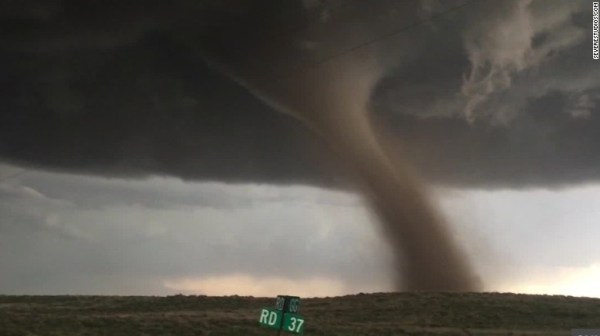
From westerly ” Santa Ana” winds out of the deserts of California that dry out vegetation in the forests and hills every Fall (and sometimes Spring through Fall), to the tornadoes that develop in the Central and Eastern United States when cold air masses clash with the warm moist air from the Gulf of Mexico, to hurricanes, wind is a major force to be reckoned with. As part of the whole climate debate, people want to use wind to generate power yet curse it when it accelerates fires, lift roofs off schools, blow down trees or sink ships at sea. As a natural force, wind is not going to be stopped by human will. However, more intelligent design for buildings may mitigate storm damage.
I am so exhausted listening to everyone blame climate change for the problems in the world. It is not the weather “why” I care about. It’s how the world population – as a whole – intends to alter in meaningful ways the slide to more unstable and unpredicable future. As long as there is President Obama-style unilateral initiatives or Congressional “legislation” or California bureaucratic fiats without real adoption in the new industrializing regions of the world – there is no leadership. However social media page “Likes”, group-think, hysteria and the resulting inaction is a poor gift for future generations.
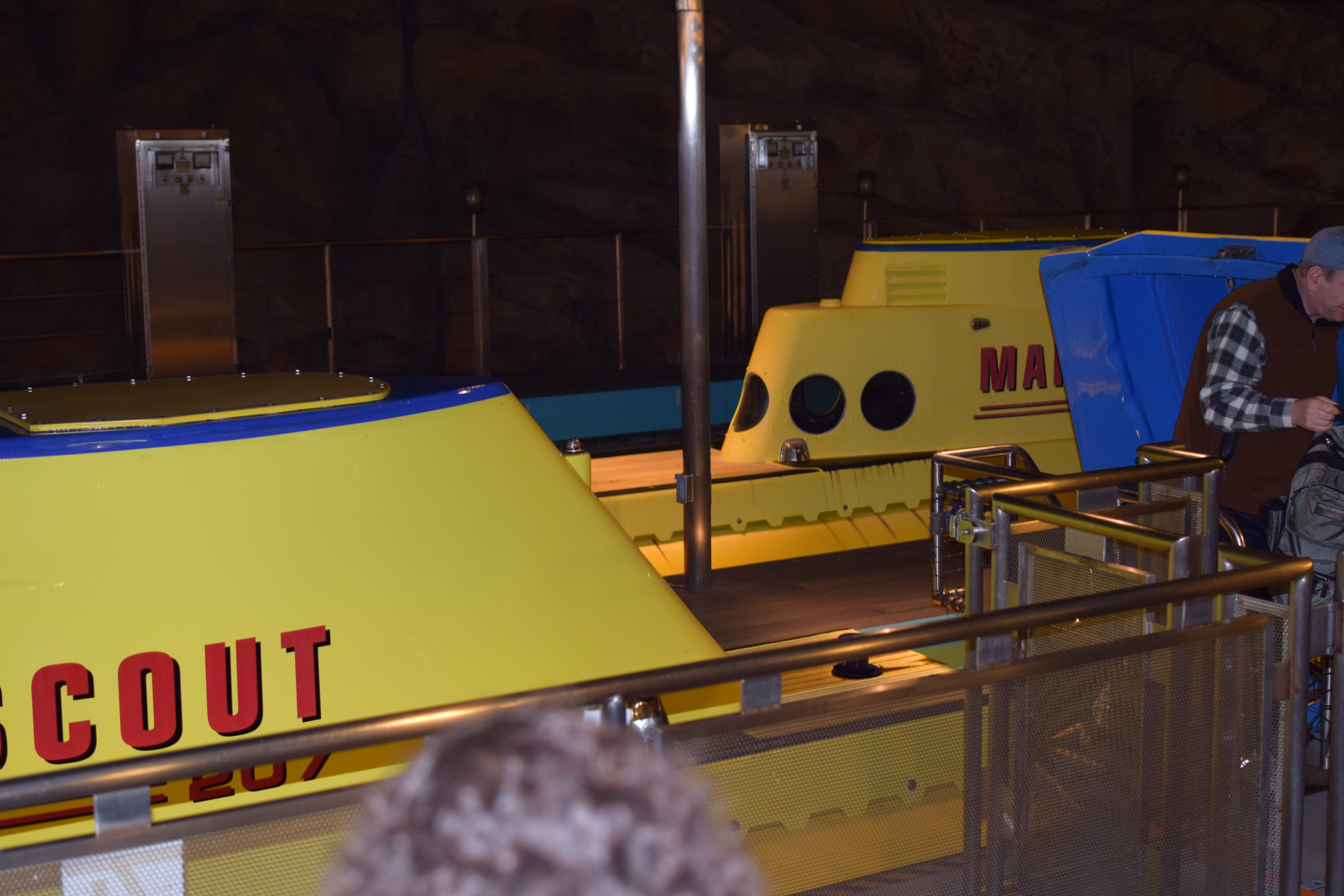
I think Walt Disney had something to do with my life choices. My earliest Disneyland visit was more than 50 years ago. My latest was yesterday, and nearly 18 years since I last visited. Long ago, I enjoying the rafting rides, the submarine adventure, exploring the future and the past. As I grew older, I studied more about the science behind the animated figures and attractions. I found myself yesterday in awe, and then wondering about the maintenance and the mechanics of these animated attractions.
As a kid, I was fascinated by the steamboat in Frontierland; perhaps that is why in school when we read Mark Twain, I had something to relate it to. (There were no paddle wheel steamers I saw where I grew up). Frontierland and steamboats still hold some interest, but there is so much more enjoyment when you go with someone with little kids.
don’t think these young’uns are Groot fans?
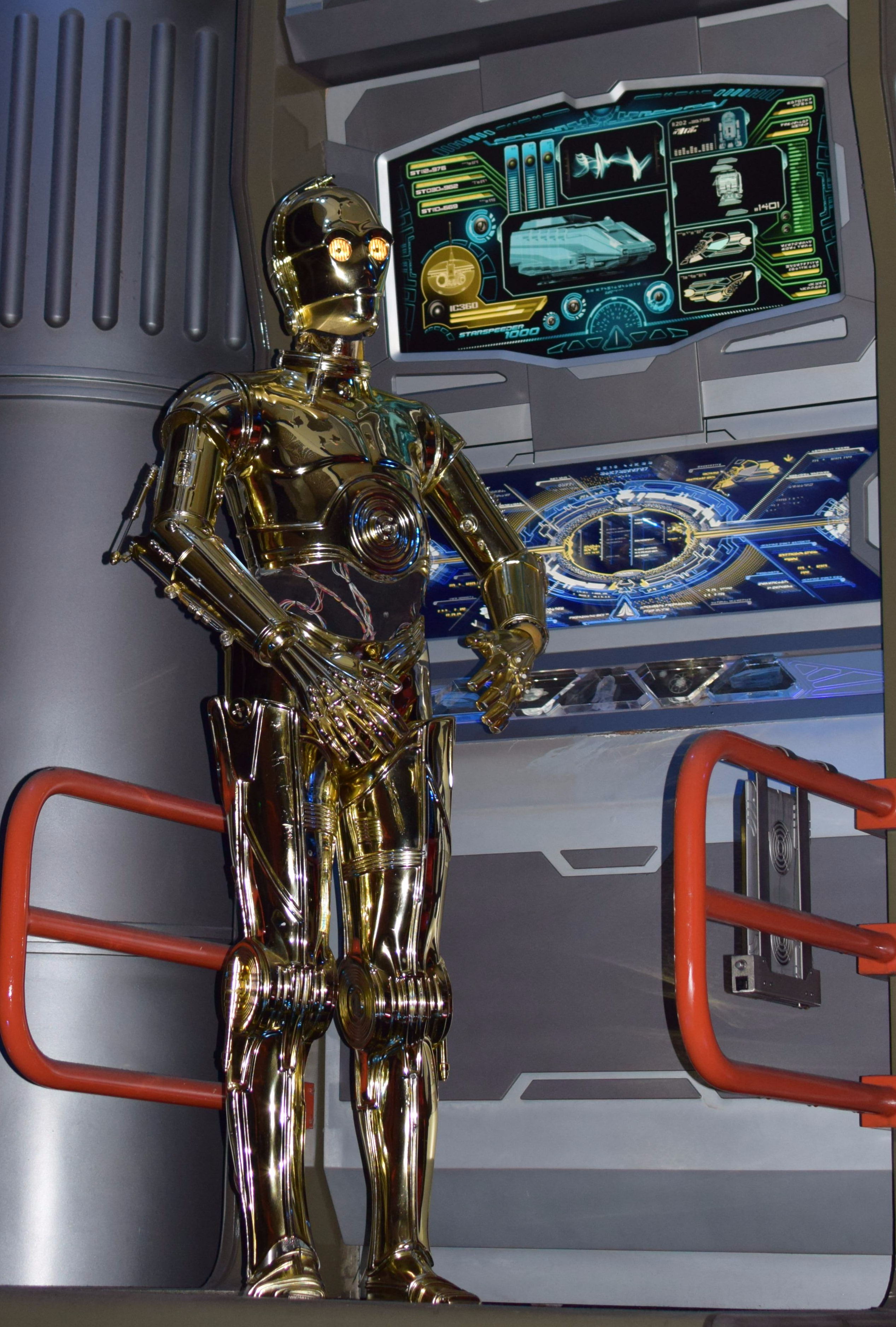
Before Star Wars, kids my age grew up with NASA , and sci-fi television like Lost In Space, the cartoon Jetsons, and Voyage to the Bottom of the Sea. In the 1960s and early 1970s, there was a very cool view of approaching new Millennium. Once we all got here, it had been somewhat close but also “quaint” sci-fi. Now Tomorrowland has a very 3D action/ Star Wars feel.
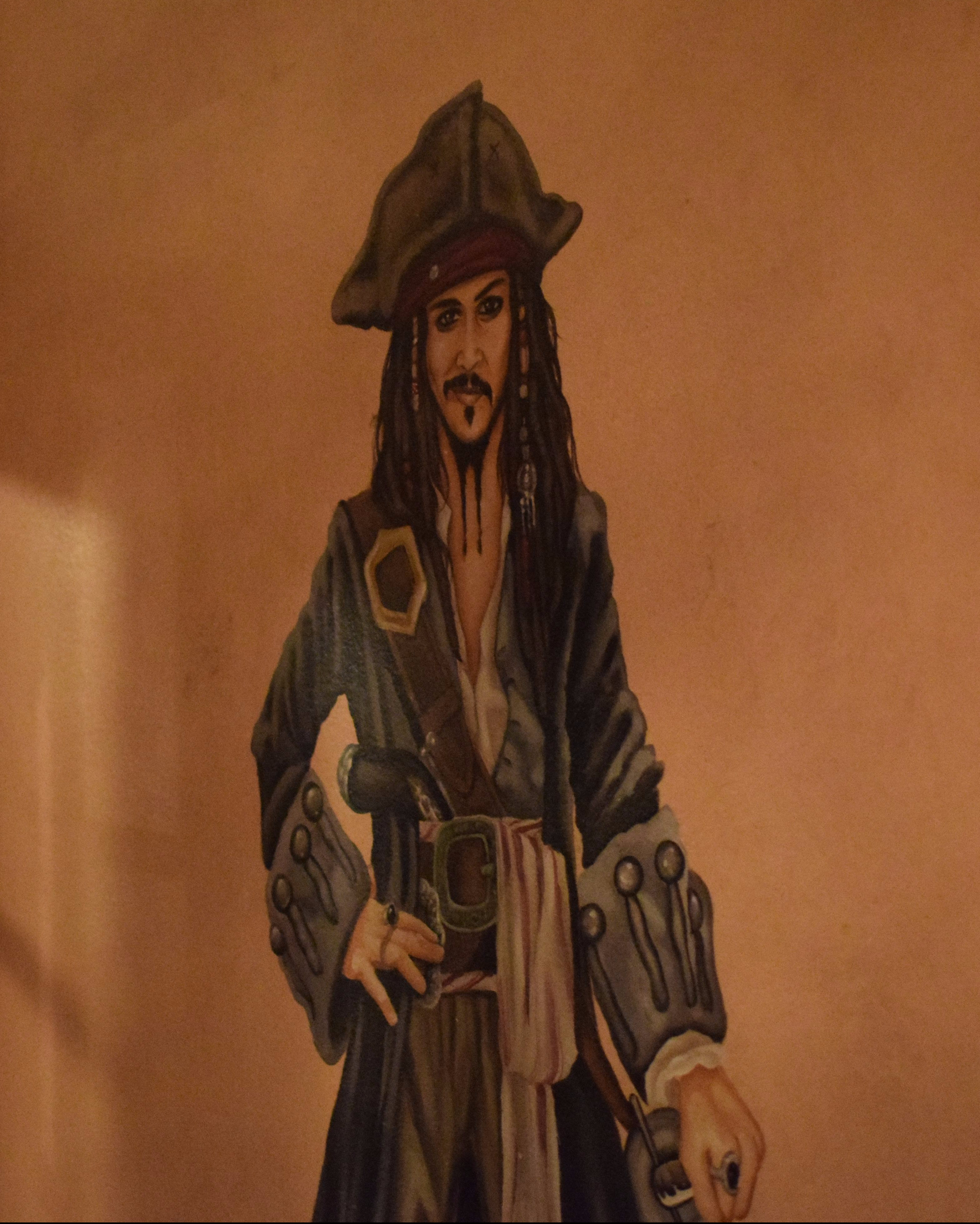
Of course, every Sailor has a little pirate in them so Pirates of The Caribbean was a must-do. Now though it has a very Cap’n Jack Sparrow/ POTC movie tie-in. But it was the original inspiration for multi-billion dollar franchise for Disney, so I guess it had to be somewhat updated. But perhaps, I need to do a little plundering before I go off adventuring again. We bought the year Pass for both parks when I last visited. I think my stash of gold, rubies, and the lot was traded away for 12 monthly payments.
Now that is piracy, but if Capt’n Jack Sparrow trades you a year’s worth of Yellow Submarines, Mater Tow-rides (California Adventure), and a pirate adventure it is fine. And while walking seven or eight miles just inside the parks, as well as places for grog, chow, fireworks, and music spectacles, I have entertainment AND exercise. Maybe if the sea dog’s wife continues to prod me, I can resist the impulse to buy a little Mickey swag. Resist at least until grandchildren accompany us.
I am a happily married man and yet I have a mistress. No, not that kind. The Sea.
The sea, once it casts its spell, holds one in its net of wonder forever.
– Jacques Yves Cousteau, ( http://www.brainyquote.com)
The sea used to call to me as a child. I read stories about life at sea. I was fascinated by Jacques Cousteau’s shows exploring the sea. As a youth, my family would frequently make the short drive to Half Moon Bay from Belmont, California. After body surfing and boogie-boarding in the cold ocean surf we would warm up by a bonfire on the beach. Moved by my mother to to the Atlantic coast as a young teen, I would swim and take a sailboat or rowboat out in the waters off Cape Cod, Massachusetts. Though swept out to sea once by a rip current, I responded by learning to snorkel and scuba dive.
There is a witchery in the sea, its songs and stories, and in the mere sight of a ship, and the sailor’s dress, especially to a young mind, which has done more to man navies, and fill merchantmen, than all the pressgangs of Europe. -Richard Henry Dana, Two Years Before the Mast
I was a captive, not unwilling, during eight years assigned to Navy ships. Then, I spurned my love-interest. I retired from the Navy. As I dallied with camping, hiking, and cycling, the sea called me back to her. It was a recent cruise to the Caribbean that has me spellbound again. I am not too old to don a wetsuit, or rent a boat, or take another cruise, all the while listening to Jimmy Buffett on the radio.
 US Navy littoral combat ship USS Little Rock heading toward Montreal, December 27, 2017. USS Little Rock/Facebook
 The littoral combat ship USS Little Rock is launched into the Menominee River in Marinette, Wisconsin, after a christening ceremony, July 18, 2015. US Navy
 The natural world – with and without man’s intervention – is often unpredictable. After the firestorms particularly in southern California last month, residents knew it would only be a matter of time before the winter rains came and turned the barren hillsides into avalanches of mud. Today mud, rain and debris adds insult to ashen injury. Newscasters will converge on the latest personal tragedy, but other people will also mobilize to render aid, help clean up and show their compassion and humanity.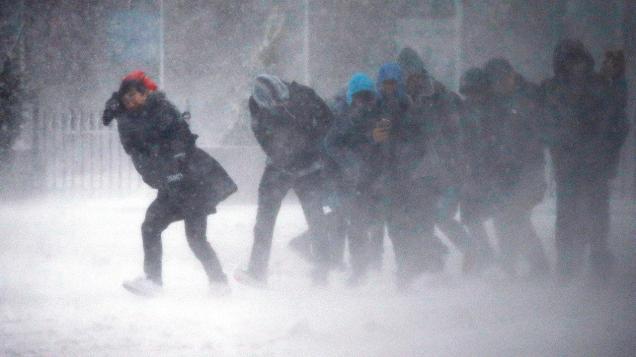




 At the waterfront, I found a Port official to report my loss. He spoke no English and I spoke no Bulgarian. But nearly a dozen years after my last college class in Russian, we could haltingly converse about my missing camera in a common language. A few months later, the reply to my inquiry sent to the Canon marketing office in Sophia, Bulgaria was not promising. How many regular people could possibly own a Canon SLR camera in a nation that only had capitalism (glasnost?) for five or so years?
 Perhaps some young entrepreneur used my camera to start a business. (Babes of the Black Sea?) Marketing ads for amber jewelry. Fashion images for the newest Yuppies. And perhaps my old camera is living there still. Twenty-three years ago I left my heart in Varna, Bulgaria. Well, not really. But I did leave my camera there.








 I am not denigrating anyone for NOT displaying Christmas decorations, and I in no way attribute Santa Claus, decorated trees, inflatable Minion or Harley-riding Santa Claus to the Birth of Jesus. But I find it very “unusual”. For a nation that spends a lot on holiday cheer regardless of their spiritual aspirations, (a retail
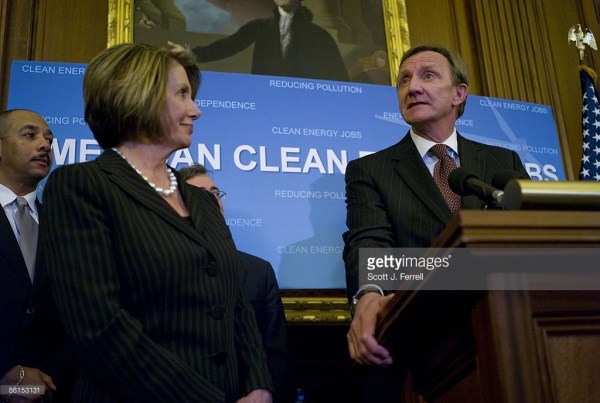 There have, as yet, been no realistic nor popular solutions proposed nor any process enacted. One nation refuses to hinder their industrialization by employing technologies they cannot yet afford to mitigate pollution. Other nations have no solid infrastructure to enact regulation. In the First World, taxation is the first response to climate change, but hinders any real discussion or experiments at solutions that are not “lobbyist”-championed projects. (Several of these have all-but-embezzled millions of tax dollars.) For those of us who work many miles from our homes, lack of public transportation to get there is at odds with the government actions to dissuade personal vehicle use. (Population in most cities outside California is many factors more dense so personal vehicles are less efficient than mass transit.)
 Two in the Americas,
  .
.


 But perhaps, I need to do a little plundering before I go off adventuring again. We bought the year Pass for both parks when I last visited. I think my stash of gold, rubies, and the lot was traded away for 12 monthly payments.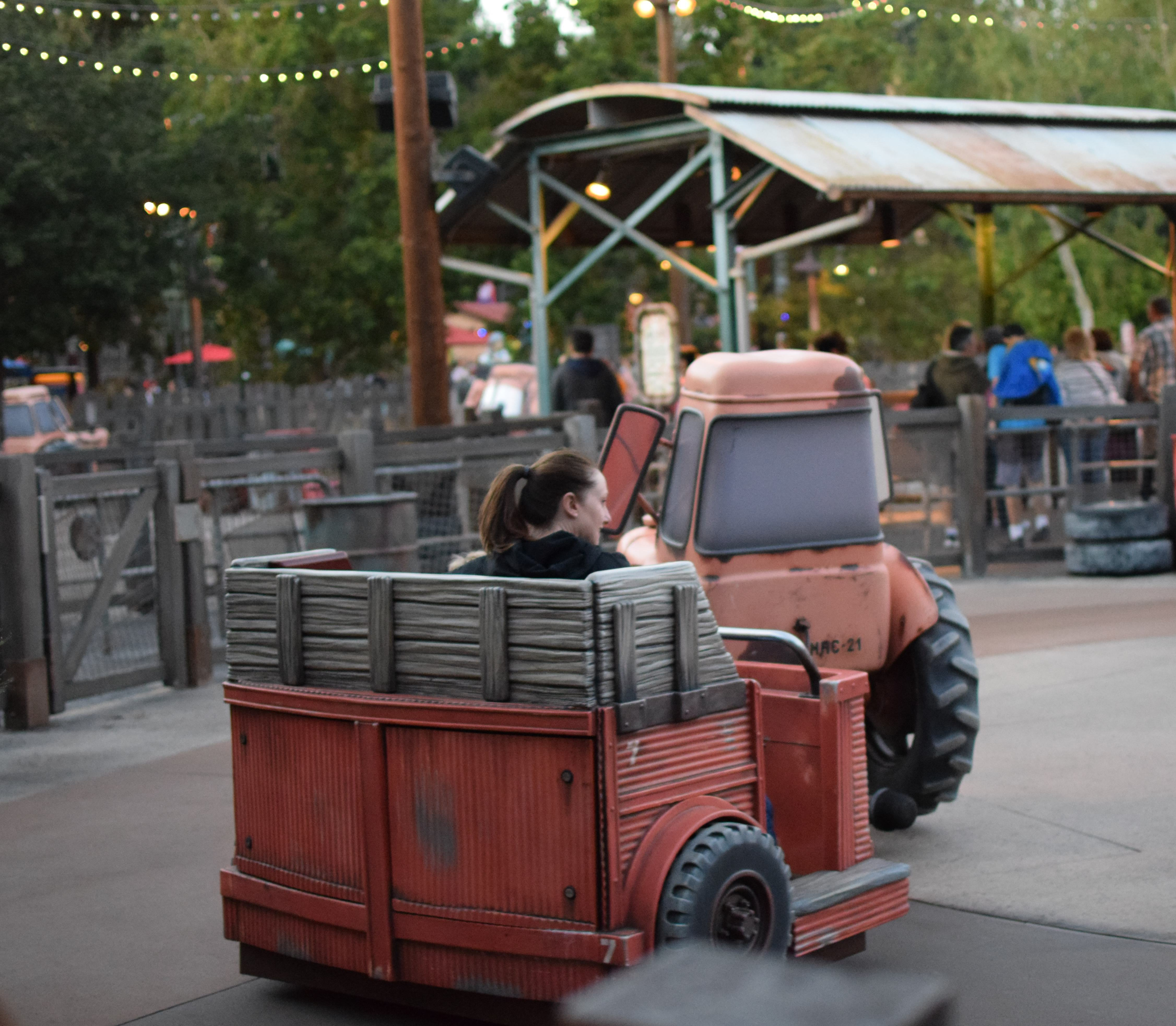
 Truths, Half-truths, and Sea Stories