On social media, a former Green Beret, Scott Mann, succinctly describes veterans’ loss of confidence in the United States Government after the debacle which allowed the Taliban fighters who sheltered the 9/11 terrorist network to retake the country of Afghanistan. If the aim of the United States was to punish an ideology that murdered thousands in the United States, and to convince that ideology’s adherents to abandon those efforts, the cost in lives, injury, emotional and physical suffering over twenty years failed. Changing a fourteen hundred year old culture of Islamic traditions, tribalism, misogyny, and history of repelling foreign invasion by military occupation, electrification, and educating young women was unlikely to be permanent in one generation. It was the same lesson the Soviets learned and the British before them. The lessons that America’s hasty exit left in the minds of adversaries and allies, is that the United States can be defeated when drawn into a long, bloody conflict with facile understanding of its adversaries. It is the historical view that politics at home shifts America’s commitment. With such an eventual outcome, it emboldens her adversaries, economic and military, to convince nations with strategic geopolitical importance to partner with them. While nations like Russia rattle sabers (nuclear weapons, natural gas supplies) against Europe, annex the Crimea region and invade the Ukraine (which has proven to be Putin’s equally bloody miscalculation), Iran continues to develop weapons and relations with regimes that do not favor the US nor its allies; North Korea continues development of nuclear-capable missiles; and China builds bases, militarily-useful seaports and industrial capability globally. It also flexes naval power to remind the United States that it plans to eventually retake Taiwan. The seeds of future conflict with the United States, to support alliances or to defend trading partners, is being sown all the time. Meanwhile the United States military has experienced an internal conflict shifting resources and capabilities to align with societal change in identity- gender, attitudes ( regard for authority, character, politics). Accidents, expensive but short-lived weapon systems, and ethically-challenged members in the officer and enlisted ranks (bribery, sexual abuse, and “loss of confidence” in those chosen to command) reflect deficiencies in training, design, threat analysis, and personnel selection.
Month: December 2022
Why have a Preventative Maintenance System?
CINCHOUSE (for those unfamiliar with military acronyms, this means Commander-In-Chief, House), otherwise known as my wife, has been very gracious throughout the last 72 hours without the use of a tactically significant piece of home equipment: our clothes dryer. After many thousands of loads over the last 7 or 8 years, the dryer failed to turn on, and I was asked to perform corrective maintenance. I am the command Maintenance Chief as well as the Supply Chief, which can range from scheduling a Maintenance Availability with a contractor, or restoring operation myself with the assistance of Amazon or other parts supplier. Without a backup system onsite, the Laundry Officer took the towels to a laundromat the first night.
Troubleshooting: Fault analysis & Symptom Elaboration
The process was fairly straightforward even without having a repair manual or parts list on hand. After three decades expertise, proper tools and following normal safety precautions, I expected to have the unit fixed. I was able to retrieve a parts list, and have the most likely replacement part shipped to me. It arrived this morning. Fortunately, I did not need the EMO’s signature on a tag-out log, but disconnected the dryer plug from the 240VAC line.
Upon disassembly to gain access to the electrical part, the first thing I noted was gundecked PMS. A Preventative Maintenance System is only effective in maintaining equipment at optimum working efficiency when followed precisely. That, of course was my problem. The electric dryer was not on any schedule for periodic maintenance and only received cursory vacuuming every few months by the MATMAN, when he remembered. With the thousands of hours of use in the last decade, the vent /lint trap port within the system and the exhaust to vent the dryer resembled the clogged arteries of a hear attack victim – with dust, dirt, hair, coins and even a man’s ring (!) almost completely clogging it.
There is a time when the OPTEMPO is such that waiting for a repair contractor, that the priority becomes replacement and not repair. After following online instructions, I was no closer to determining the broken component. Fortunately, the Supply Officer, my wife, and whom incidentally, is the Immediate Senior in Command, approved the purchase order for a new dryer. It gets delivered the day after Christmas. But the more serious issue is the ignored PMS. Were it not for the reasons that the dryer was never added to the Equipment List, and there was no PMS card detailing scheduled maintenance, the responsible Sailor should have scheduled, at a minimum, annual maintenance with a civilian contractor. As both the Maintenance and Training Senior Chief, I need to review, or create, a program for the new dryer that was ordered for delivery on Monday. It may be the end of year “holiday routine” but like military operations, washing and drying clothes and towels occurs 365 days a year.
The reasons for having a Preventative Maintenance System, or PMS, for equipment and systems that are relied upon for national defense is actually one of common sense. OPNAV Instruction series 4700.7() provides the guidance for all Navy systems maintenance. Up through the new millennium, paper schedules and “hard card” maintenance requirements were used by all Surface,Air, Shore, and Submarine forces. During the past two decades, online software, such as SKED (2022) has replaced the system the author used during his days as a “blueshirt”.
Military systems are designed generally for harsh conditions and use occurring in combat. While some are specific to the equipment operating environment, dust, dirt and other particles are generally everywhere. Aboard ship, a closed system like a ship at sea, with dozens or thousands of human beings aboard create a lot of dust, hair, dander that must be removed every few hours. The same can be said for residential living.
*gundecked – Navy slang for falsified or sloppily performed, which the responsible party, when identified, receives punitive measures to prevent a recurrence.

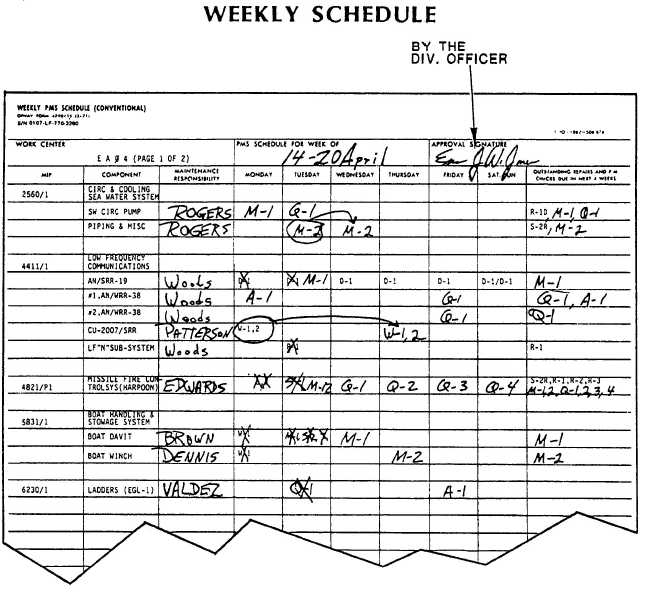
These illustrations were originally published on navyaviation.tpub.com
Eye health resources for veterans and their families
As veterans, retirees or pensioners, we have many healthcare benefits through the Veterans Administration that we may not be aware. My father-in-law, a Navy veteran who served four years during the 1950s, only recently (4 or 5 years ago) was evaluated for hearing loss and received hearing aids as a benefit of his military service.
A vision care group, NVISION, published online an informative guide to eye-care available to veterans. In it they direct interested veterans and family members to connect with Veterans Administration resources. The Veterans Administration has medical services including routine care and preventative treatment. Find the information here.
Thank you to Paula Rios, National Outreach Specialist at NVISION, for bringing this resource to our attention at Truths, Half-Truths and Sea Stories.
the storytelling of art
In middle school, the subject of history was neither dry nor boring as I spent a few years living in New England and for a time in a pre-French & Indian Wars-era colonial home. Browsing through antique shops and flea markets in the 1970s, my family had a penchant for collecting random things that were interesting. Whether it was sifting through dirt to recover old medicine bottles and inkwells, engaging with an old Scout master (one of the founders of Scouting in New England) who started me collecting postage stamps, or discussing for hours, gems and minerals an older lady had retrieved on her travels (she started my interest in rocks and minerals), each had engaged me with stories. Years listening to my grandmother and great aunts family history, seeing some of their heirlooms, and then having the opportunity to see actual records, that matched their stories, and visit the places they described added context. In the Navy, I deployed all over the world. But as the years pass turn into decades, from time to time it is valuable (to aid my recollection) to look at them again.
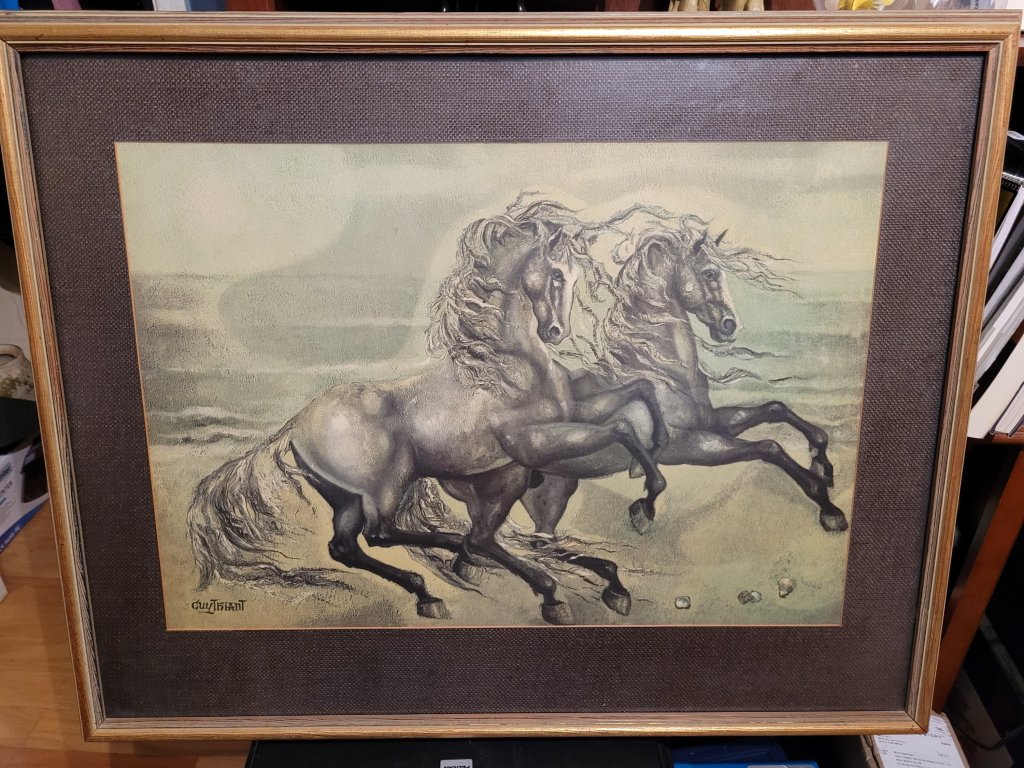





- A painting my late mother had hanging in our home for fifty years is signed by a Parisian artist
- A lithograph signed by (living) artist my wife and I visited on a date to Laguna Beach – we do not go on more dates to his studio as a result
- An early Twentieth Century Bentwood rocker from the New England studio home (it had briefly been my childhood home) of a Nineteeth Century muralist
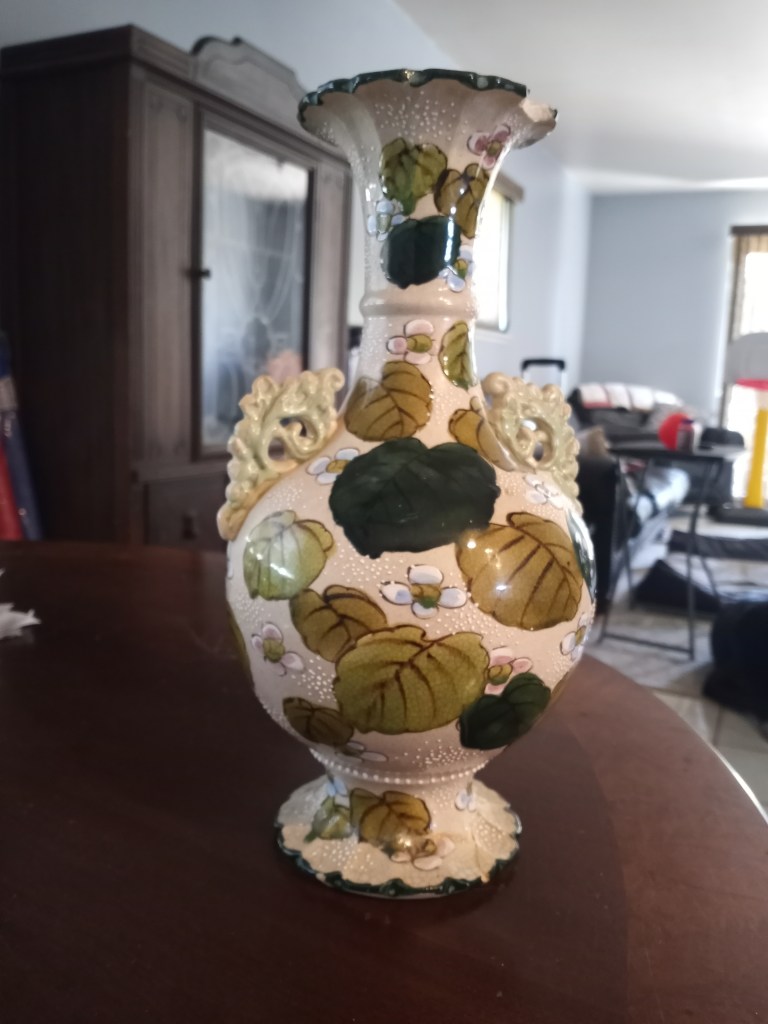
- A vase that belonged to my maternal grandmother’s grandmother has been carefully stored for forty years
- A button from a Naples maritime officer I chatted with during a port visit 30 years ago
- Bulgarian currency from our visit on the Black Sea- a first US vessel to visit since before the Cold War
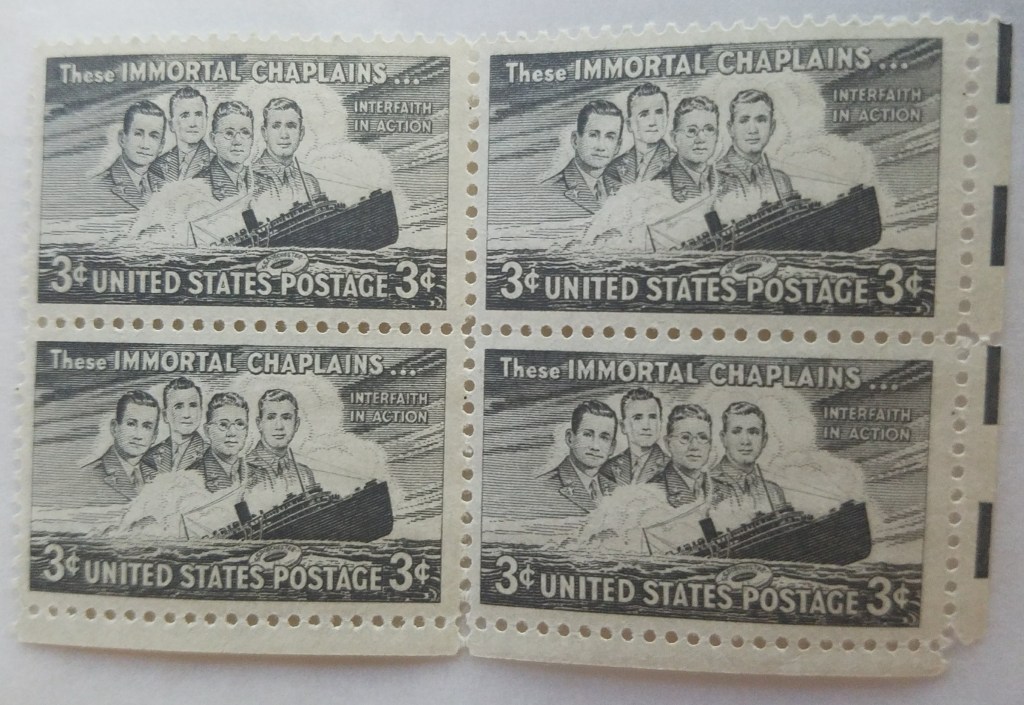
- uncirculated postage stamps representing the chaplains who sacrificed themselves for others to survive during WWII
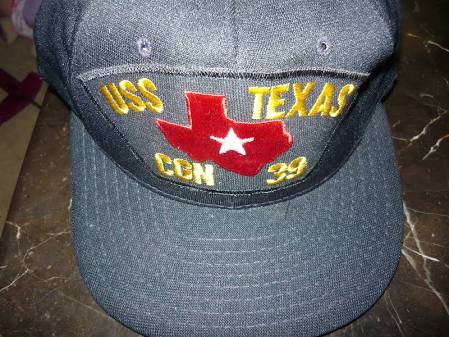
- original Navy ballcap issued to me in 1991. My first ship, I deployed to Central, South America and Canada. it was decommissioned two years later
- A Russian nesting doll from the Soviet era
Ask the Chief: if it didn’t come in your seabag you won’t need it
I still remember a young sailor reporting aboard our ship who had been in the Navy about six months. A member assigned to our division, he was assigned a bunk in our berthing compartment. Aboard any vessel, but particularly a warship, space is at a premium and quarters for the crew are no exception. In the Navy, a crewmember has a very limited amount of space in which to store his or her belongings, and are designed to hold the contents of one’s seabag plus a small amount of toiletries we fit into a “ditty bag”. In this compartment, the three tiered bunks (“racks”) doubled also as lockers for each member’s gear. There were exactly the same ratio of racks to crew in every compartment aboard ship. (Only the Executive Officer, Commanding Officer and any visiting Flag Officer or dignitary had individual quarters.)
It was the second or perhaps, third garment bag he started to unpack, in addition to his seabag’s contents that drew the loudest “WTF!” from his immediate supervisor getting him settled in the berthing, No less than three color-coordinated suits – 1 green, 1 red and 1 yellow, came out of those garment bags. That he assumed that he would store them in adjacent lockers became a training opportunity. Thirty years ago, we were not as progressive in our attitude nor counseling methods as in 2022; in hindsight, we might not today be forgiven for thinking Gary (Indiana) was missing a pimp. He was advised to remove from the ship every item of civilian clothing that did not fit in his own bunk, after having stowed everything prescribed by Navy regulations for shipboard use.
Not that he was the only person to have belongings in excess of places to put them. Officers, Chiefs and blueshirts (junior enlisted sailors) having accumulated a few bulky items (Turkish and Persian rugs) when on liberty overseas, were known to conduct a lot of horsetrading with Supply, Medical, cooks, and Engineering peers to find cubbyholes when returning to the USA from deployment to the Mediterranean and Suez.
From the current Uniform Requirements for Men, in Paygrades E-1 to E-6, the following items are issued as regular uniform items and when precisely folded, will fit within a standard issue seabag. Some of the items are rank and other insignia which are affixed to uniforms in a prescribed manner. :
- All-Weather Coat, Blue 1
- Bag, Duffel 1
- Belt, Web, Black, W/Silver Clip 2
- Belt, Web, White, W/Silver Clip 1
- Blousing, Straps 2
- Boots, 9″ 1
- Buckle, Silver 2
- Cap, Ball 2
- Cap, Garrison 1
- Cap, Knit 1
- Cap, 8-Point, with ACE logo 2
- Cold Weather Parka 1
- Coveralls (Navy), Blue 1
- Gloves, Leather, Black 1 pr.
- Group Rate Mark, Black 1
- Group Rate Mark, White 1
- Hat, White 2
- Insignia, NWU (E4 – E6) 1
- Insignia, Service Uniform Collar (E2 – E6) 1
- Jumper, Blue Dress 1
- Jumper, White Dress 1
- Liner, Fleece 1
- Mock “T” Neck 1
- Neckerchief 1
- Parka, NWU 1
- Peacoat 1
- Shirt, Khaki 2
- Shirt, NWU 3
- Shirt, PTU 2
- Shoes, Athletic 1 pr.
- Shoes, Dress Black 1 pr.
- Shorts, PTU 2
- Socks, Cotton/Nylon, Black 3 pr.
- Socks, Cushion Sole, Boots 5
- Towel, Bath1 4
- Trouser, Broadfall, Blue 1 pr.
- Trousers, NWU 3 pr.
- Trousers, Poly/Wool, SU 1 pr.
- Trousers, White Jumper 1 pr.
- Undergarments As Needed
- Undershirts, White 4
- Undershirts, Brown 4
To my shame, now retired a dozen years, and more than fifteen since I last got underway on a Navy warship, I no longer practice the rigorous methods to stow my belongings. Then, neither do I have to stencil my clothes and underwear with my last name so they will return to the rightful owner from the laundry.
 Truths, Half-truths, and Sea Stories